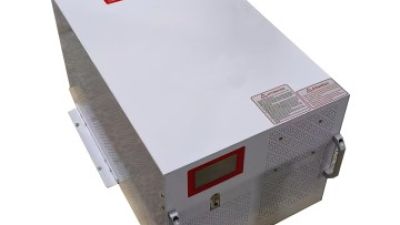
In today's world where energy efficiency is king, Low Frequency Inverters really can't be overlooked. These little gadgets play a super important role in keeping power management optimized. Basically, they take DC power and turn it into AC at lower frequencies, which gives you much better control over electrical systems. Honestly, it’s pretty cool how they help improve the quality of energy we use. You’ll find them supporting all sorts of things, from renewable energy setups to heavy industrial machinery. Because they can tweak their output, they boost efficiency and cut down on waste — pretty impressive, right?
That said, not every system gets the same benefits from using Low Frequency Inverters. Some setups might run into compatibility hiccups or other issues. So, picking the right inverter for your specific needs is a must. Doing a proper assessment of what your power system needs can really lead to smarter energy habits. Understanding these little details is key, especially for organizations serious about going green and being more sustainable.
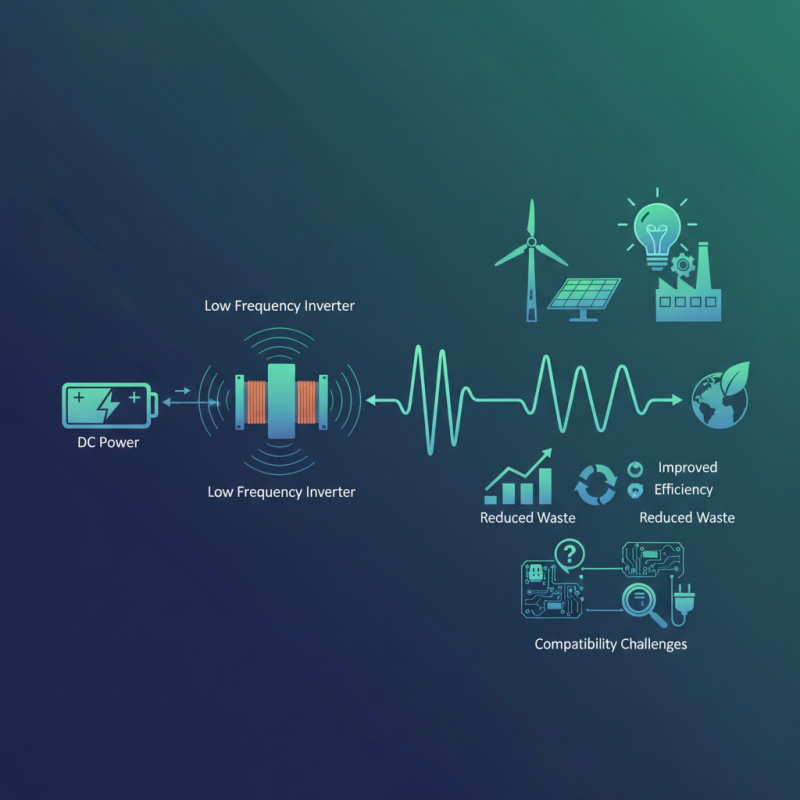
Introduction to Low Frequency Inverters in Power Management
Low frequency inverters play a vital role in power management. They convert DC power into usable AC power at a lower frequency. This conversion is essential for various applications, including renewable energy systems and industrial automation. Their operation can enhance the efficiency of power delivery, minimizing energy losses.
Using low frequency inverters helps maintain stable power supply. They improve the quality of energy flowing into sensitive equipment. However, challenges still exist. Some users may find them complex to integrate with existing systems. The learning curve can be steep, and troubleshooting may require specialized knowledge.
Reliability is another concern. While low frequency inverters are generally robust, they can fail if not properly maintained. Regular checks and updates can mitigate this risk. Adopting preventive measures can lead to improved performance. Despite these challenges, the benefits often outweigh the drawbacks. There is room for improvement in design and efficiency. Overall, low frequency inverters remain crucial for effective power management.
The Importance of Efficient Power Management in Modern Systems
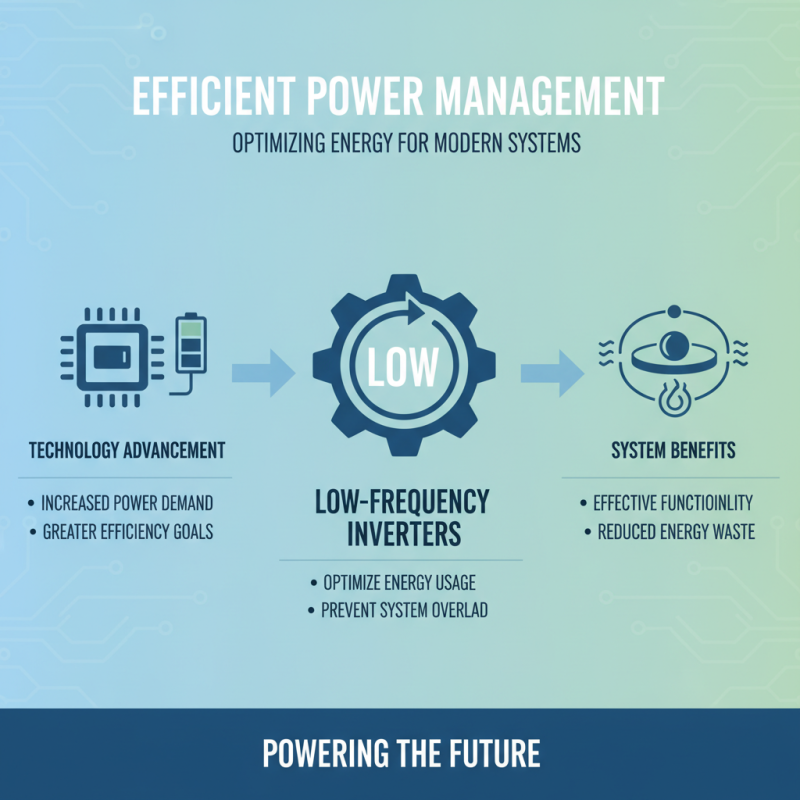
Efficient power management plays a crucial role in modern systems. With the rapid advancement of technology, energy consumption is on the rise. Devices now require more power than ever while aiming for greater efficiency. This is where low frequency inverters come into play. They optimize energy usage, allowing systems to function effectively without overloading.
In practice, effective power management involves constant monitoring. Systems must adapt to variable loads and energy sources. It can be challenging, as fluctuations can lead to inefficiencies. Low frequency inverters help stabilize these changes. They ensure that power delivery remains consistent, even during peak demands. However, embracing this technology isn't always straightforward. There are instances where systems fail to fully integrate these solutions, leading to missed opportunities.
Addressing these challenges requires a willingness to innovate and adapt. Combining low frequency inverters with smart grid technologies can enhance efficiency. Yet, organizations must remain vigilant in managing maintenance and upgrades. Continuous improvement is essential. By focusing on efficient power management, systems can achieve longevity and sustainability.
How Low Frequency Inverters Function: A Technical Overview
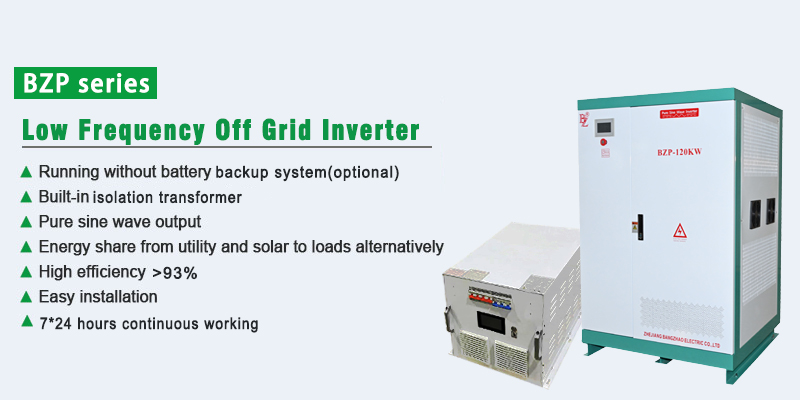
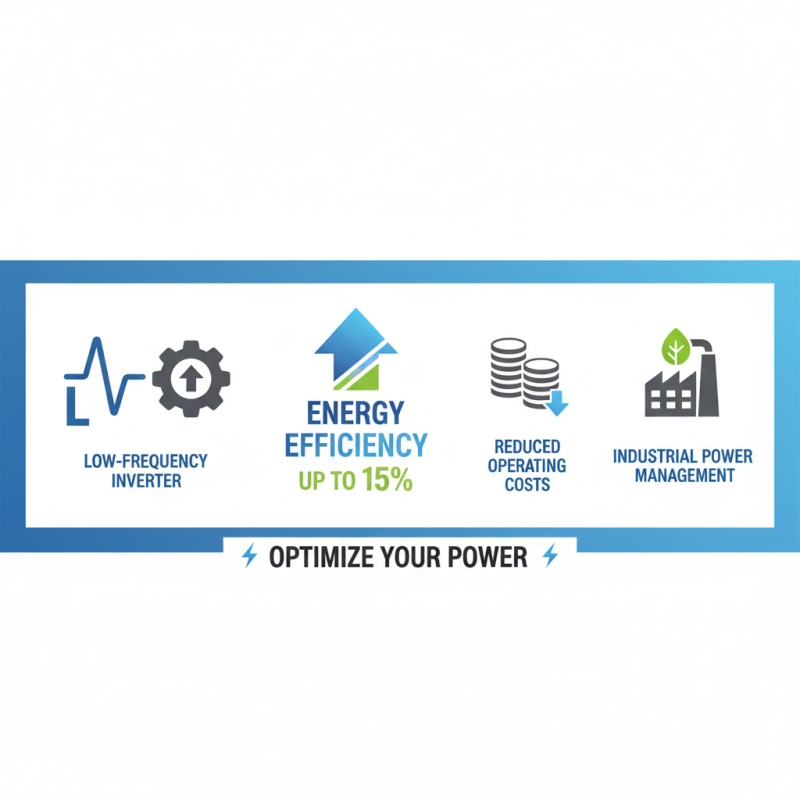
Low frequency inverters play a crucial role in power management systems. They convert low-frequency AC power to a usable form for various applications. This process is vital in industries that rely on efficient energy consumption. Research indicates that implementing low frequency inverters can enhance energy efficiency by up to 15%. This improvement is significant for reducing overall operating costs.
The functionality of low frequency inverters involves several key components. They typically consist of a control circuit, a power stage, and a feedback mechanism. The control circuit manages the switching of power transistors, while the power stage adjusts the output voltage and frequency. A pivotal aspect is the feedback loop that fine-tunes performance based on real-time energy demands. According to industry reports, 65% of users experience reduced harmonic distortion when using these inverters. Despite these advantages, not all applications may benefit equally. Some systems require additional modifications to fully leverage inverter capabilities.
Understanding these operational intricacies is essential. Users must evaluate their specific needs and the compatibility of their existing systems. While low frequency inverters offer numerous benefits, overestimation of their capabilities can lead to ineffective installations. Careful analysis of the application environment is needed to maximize their potential. Each power management strategy should be unique, considering inherent system limitations.
Benefits of Low Frequency Inverters for Energy Efficiency
Low frequency inverters play a crucial role in energy efficiency. They help optimize power management, reducing energy waste. These inverters efficiently convert direct current (DC) to alternating current (AC). This conversion is essential for various applications, such as renewable energy systems and motor drives.
Using low frequency inverters can lead to significant cost savings over time. They minimize energy losses during conversion. These inverters are designed to operate at lower frequencies, which often means better thermal performance and longevity. As a result, users might notice reduced maintenance costs. However, some systems may struggle initially when integrating these inverters. Adjustments may be needed to achieve optimal performance.
In addition to cost savings, low frequency inverters contribute to environmental sustainability. They lower carbon footprints by maximizing energy use. However, it’s important to be mindful of efficiency ratings. Many units may not perform as expected under certain conditions. Regular assessments and adjustments can help maintain optimal energy performance.
Applications of Low Frequency Inverters in Various Industries
Low frequency inverters play a crucial role across various industries. They enhance energy efficiency and enable better control over power management systems. For example, in the renewable energy sector, these inverters integrate well with solar and wind energy sources. Research shows that they can improve the overall system performance by up to 30% when properly implemented.
In manufacturing, low frequency inverters help manage machinery operations efficiently. They allow for smooth motor control, reducing mechanical stress. This capability not only prolongs equipment life but also decreases energy consumption. A report indicated that companies see a 20% reduction in operational costs by using these inverters.
Tips: When selecting a low frequency inverter, consider compatibility with existing systems. Evaluate your energy needs to avoid under or over-specifying capacity. Regular maintenance checks can prevent unexpected failures, ensuring a long lifespan for equipment.
In telecommunications, low frequency inverters are essential for maintaining consistent power supply. They stabilize voltage fluctuations, which are common in communication networks. This stability helps reduce downtime and ensures better service quality. However, it’s crucial to monitor performance regularly. Sometimes systems are not fully optimized, leading to potential inefficiencies.
Employing low frequency inverters across different sectors highlights their versatility and importance in today’s energy landscape. Yet, there remains room for improvement in standard practices and integration methods.
Comparing Low Frequency Inverters with High Frequency Alternatives
Low frequency inverters serve an important role in power management. When comparing them to high frequency alternatives, several key differences emerge. Low frequency inverters typically operate below 400 Hz. This characteristic allows them to manage larger loads more effectively. They generate less heat and deliver a stable output.
On the other hand, high frequency inverters, while efficient in smaller applications, can introduce unwanted noise. This can be problematic in sensitive environments. Additionally, they may require complex cooling systems, which adds to the overall cost and maintenance. Not every application benefits from high frequency; sometimes, simplicity is more effective.
However, low frequency options are not without drawbacks. They can be bulkier and heavier, presenting installation challenges. Because of their size, users need to plan carefully, especially in confined spaces. This requires strategic thinking about layout and design. Ultimately, choosing the right inverter depends on specific needs and circumstances. Each has its strengths and weaknesses that should be considered thoughtfully.
Future Trends in Low Frequency Inverter Technology and Power Solutions
Low frequency inverters are becoming increasingly important in power management systems. As we transition toward smarter energy solutions, these devices play a critical role. They allow for efficient energy conversion, particularly in renewable applications. This growing reliance highlights the need for innovation in low frequency technology.
Future trends indicate a shift toward enhanced efficiency and flexibility. Emerging technologies aim to optimize power consumption even further. New designs integrate advanced control algorithms, improving performance under varying load conditions. There are also efforts to reduce the size and cost of these inverters. However, challenges persist. As technology evolves, ensuring reliability remains a significant concern.
The integration of IoT devices is another promising trend. This could lead to real-time data analysis for better power management. Yet, this technology requires robust security measures. Protecting user data is crucial, but implementation often falls short. The future landscape is evolving rapidly, but we must critically assess these developments.
Efficiency of Low Frequency Inverters in Power Management
This bar chart illustrates the increasing efficiency of low frequency inverters from 2020 to 2024, highlighting their crucial role in efficient power management solutions over time.
Evaluating the Performance and Market Trends of Rack-mounted Isolation-type Inverters: Insights from Industry Reports on 10KW 48VDC/220VAC Systems
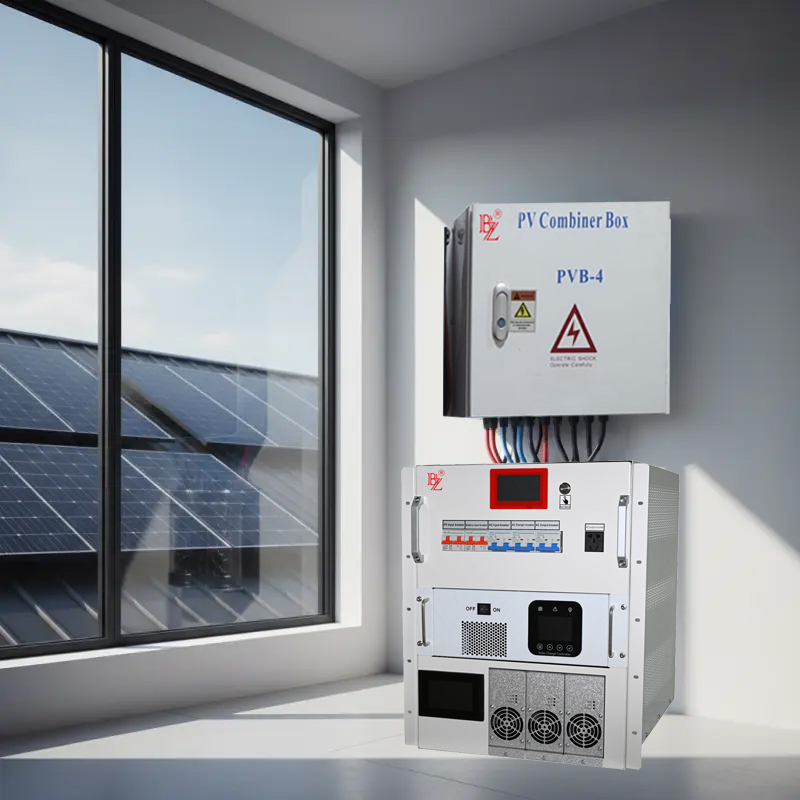
The recent evaluation of rack-mounted isolation-type inverters, particularly the 10KW 48VDC/220VAC systems, highlights their significance in various industries that prioritize robust power quality and reliability. These inverters are distinguished by their remarkable stability in output, which ensures that critical systems receive a consistent power supply without fluctuations that could disrupt operations. Additionally, their strong anti-interference capability allows them to perform optimally in environments where electromagnetic interference could pose risks to sensitive equipment.
Another compelling advantage of rack-mounted isolation-type inverters is their excellent load-bearing capacity. This feature is particularly beneficial for applications demanding high performance under varying load conditions. Coupled with their design for rack-mount installation, these inverters offer significant space efficiency, making them an ideal choice for environments where every square foot counts. As industries continue to evolve and rely on sophisticated power solutions, the trend toward adopting such inverters is likely to accelerate, driven by the increasing need for dependable and efficient power management systems.
FAQS
: This product aims to improve everyday life in practical ways.
Anyone looking to enhance their daily routine may find it useful.
Follow the instructions carefully to achieve the best results.
Some users might find it less effective than expected.
Keep track of changes in your routine or feelings over time.
Check the specific terms; options might vary.
Compatibility depends on individual products; be cautious.
Some users report mild reactions; monitor how you feel.
Most platforms allow reviews or direct feedback submission.
Reach out to customer service for further inquiries.
Conclusion
Low Frequency Inverters play a crucial role in the realm of power management, particularly as modern systems increasingly prioritize energy efficiency. These inverters operate by converting direct current (DC) to alternating current (AC) at lower frequencies, which not only enhances the stability of power output but also reduces energy losses during conversion. The technical workings of Low Frequency Inverters allow for a smoother functioning in various applications, ranging from industrial machinery to renewable energy systems.
The importance of efficient power management cannot be overstated, given the growing demands for sustainable energy practices. Low Frequency Inverters contribute significantly to this effort by ensuring higher energy efficiency and better performance compared to their high-frequency counterparts. As technology progresses, we can expect further advancements in Low Frequency Inverter designs and applications, paving the way for more innovative solutions in power management across diverse industries.